
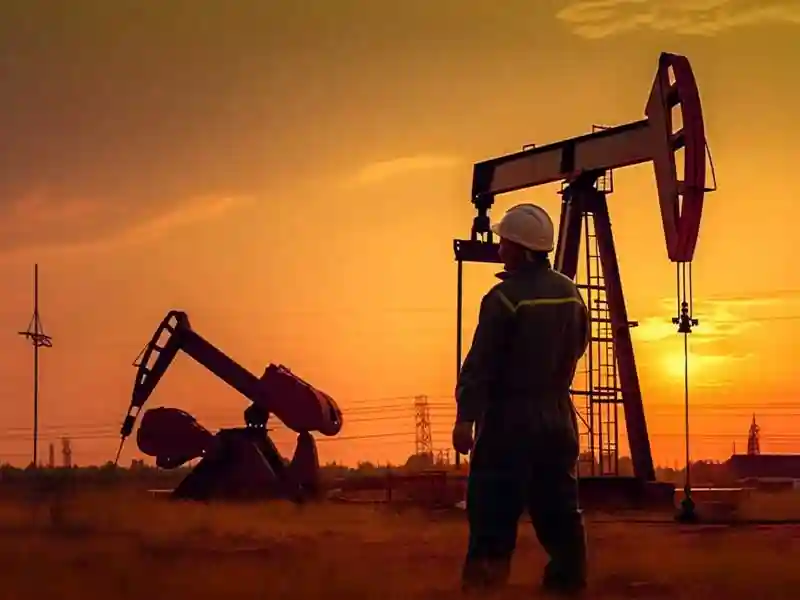
This training course provides deep knowledge of corrosion and focuses on the examination and identification of metallurgical problems that occur in process units and methods of monitoring and damage reduction. The equipment costs are a considerable part of the investment in the petrochemical and water industry, and for long-distance, large-diameter pipelines, they can become prohibitively high if the corrosivity of the fluid necessitates the use of corrosion-resistant alloys instead of carbon steel. Better understanding and control of the corrosion of carbon steel can increase its application range and therefore have a large economic impact. Corrosion Control is an essential requirement in Oil & Gas activities. It utilizes the application of engineering principles and procedures to minimize corrosion to an acceptable level by the most economical method. It is rarely practical or economical to eliminate corrosion completely and in practice, one or more of the following methods would be applied. Corrosion monitoring provides an early warning that damaging processes or conditions exist which may result in corrosion-induced failures. Moreover, it indicates the correlation of changes in process parameters and their effect on system corrosion. Corrosion Monitoring is essential to evaluate the service life of pipelines and to detect when would be the nearest replacement/shutdown

Transport of solids in the form of hydraulic and pneumatic conveying has progressed enormously since its beginning over a century ago. Industries concerned with the processing of particulate solids have employed hydraulic or pneumatic transport of solids in almost all plants: the examples of catalyst, polymer particles, china, clay, pigments, paints, foodstuffs, etc. In these process industries, the greatest bulk is in the solid-state and almost always in particulate form. In the chemical industry alone, the value of the product formed as particles is greater than 30% of the whole. The handling of particles is very important and often done wastefully from an engineering point of view. Improvements could lead to considerable savings over a wide range of industries. Because of the complex nature of the interaction between solid particles and intervening, the subject of transport solids in the form of hydraulic transport and pneumatic conveying is difficult and multi-faceted. The entire system is difficult to design and it is even more important to be operated and maintained properly. To decide whether hydraulic or pneumatic transport is a viable solution, it is necessary to know the costs of the entire process including solids preparation, pumping or compressing, pipeline, and solids post-processing. The course is very practical and provides information on materials, equipment, design, operation, maintenance, and troubleshooting
This course will stress the practical application of modern techniques in well test analysis, with a special emphasis on the pressure derivative. Various pressure analysis techniques will be used to analyze flow tests, buildup tests with or without phase redistribution, multi-rate tests, interference tests, and pulse tests. Interpretation of pressure tests under multiphase flow conditions, hydraulically fractured wells, naturally fractured reservoirs, slanted wells, and horizontal wells will be discussed in great detail.
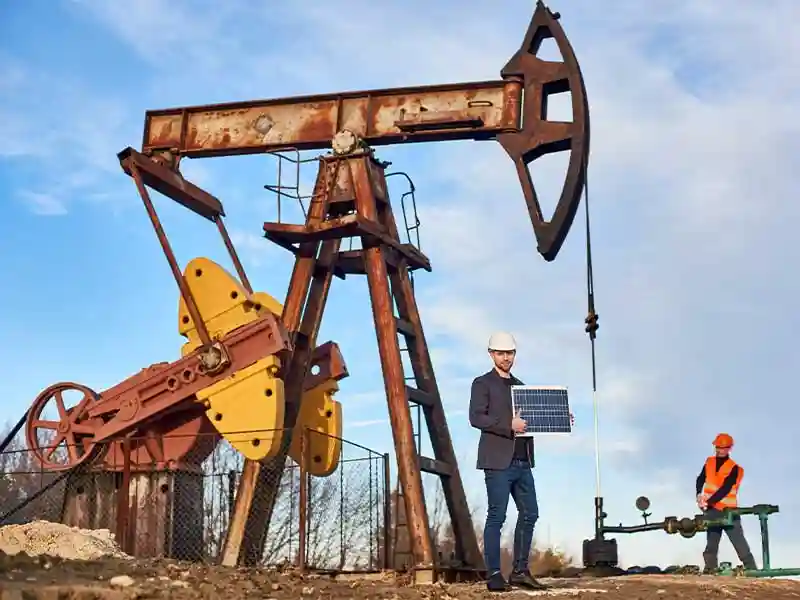
Participants in this training seminar will gain a fundamental understanding of oil and gas exploration and production. This training covers a wide range of scientific, technical, engineering, management, commercial and business topics, that are key to understanding the complex, and highly interesting, oil and gas industry. This Oil & Gas Exploration and Production training seminar are suitable for a wide range of participants, from both technical and non-technical backgrounds, both experienced and new to the industry, who wish to acquire a working knowledge of the industry. No prior knowledge of the topics is assumed.

Accurate flow measurement is essential to today's oil & gas operations. This course aims to provide training to facility operators, technicians and engineers, which, once delivered, "keep on working". Participants are encouraged to raise queries both during and at any time after attending the seminar. Participants are also encouraged to bring with them any issues that they may have to the course.
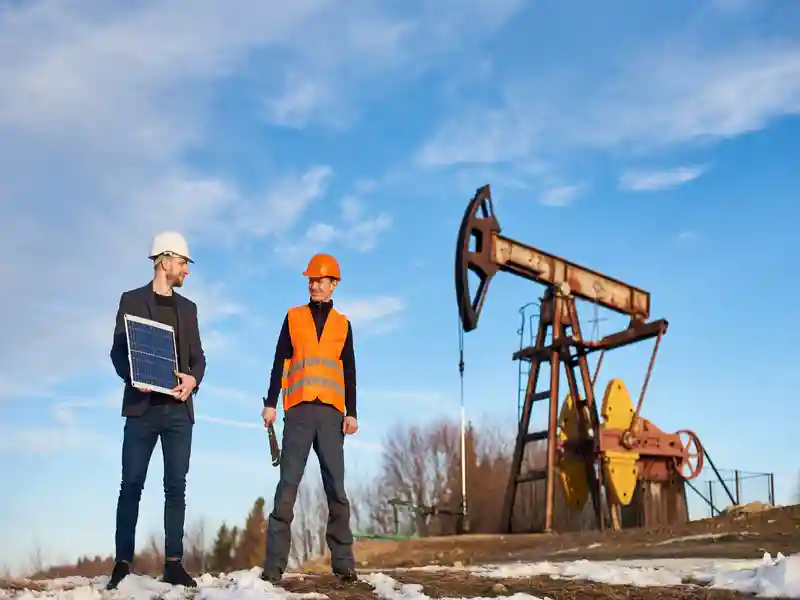
This program is specifically designed to identify and resolve issues of production planning and scheduling in petroleum refineries that are most commonly encountered by refinery personnel working in this area. Issues of operations scheduling for petroleum refining are discussed in depth. It will also be enhanced with planning and scheduling examples and will provide relevant background information on the subject. Additionally, the program will present a detailed overview of refining process yields, from the crude oil feed to the finished products. Major refining processes are presented and discussed, including feedstock, feedstock preparation, operating conditions, catalysts, yields, product properties, and economics. The program is oriented toward the practical aspects of refinery operations as well as the terminology and economics of refining.
This highly interactive training program is designed for those people who require a sound understanding of the techniques and principles of quality auditing. It also covers the role of the internal auditor in the development and improvement of an effective quality management system. Internal auditing is changing and it is no longer enough that internal audits check conformance. Still, auditors now need to be able to audit processes with an emphasis on risk and performance improvement. Delegates will learn that they play a key role in developing and improving working practices across the organization. Delegates will also learn how to apply the 7 quality management principles.
Fluids and fluid movers such as pumps, compressors of various designs and applications, are encountered throughout chemical and process industries, including oil refineries, gas production facilities, power generation, and other fields of engineering. As fluids can be in-process material in the form of liquid, gas, or a mixture of both with solids, corresponding pumps and compressors sometimes have to satisfy high demands of efficient transport of complex and difficult fluids. The progress in the design and application of pumps, compressors, and turbines has been so rapid that currently, all limitations of pressure, capacity, temperature, and nature of fluids have disappeared. At the same time, this advance in construction and application has presented numerous problems: mechanical, hydraulic, operating, economic, etc. A thorough understanding of basic principles of fluid flow in pumps, compressors, and turbines as well as in piping systems is a prerequisite for the successful design, installation, and operation of these machines. Various numerical examples are selected carefully to be from real-life technical practice, and will help remove any misconception reflected in an inefficiently operating piping system. Design and operation of gas turbines due to their complexity, require special attention and information on their interaction with axial compressors.
Oil and Gas Production in the form of accurate measurement and back-allocating volumes to the wells, efficient production deferment tracking, and enhanced integrated production planning process pose a challenge to proper management of an oilfield asset. In the oilfield, it is a routine practice to carry out these activities (consciously or otherwise) without recognizing and adhering to best practices. The case study indicates that inaccurate measurements of crude oil & gas production represent about 10% revenue loss to an asset with attendant legal consequences or confidence impact in some instances. This naturally cascades into unreliable business planning cycles and field reserve estimation. This Best Practice in Surface Production Operations Management training will go steps further to highlight current best industry practices with field experience including challenges and how to mitigate identified challenges. This training seminar will further show how an integrated production operations approach is applied in addressing these challenges including custody transfer and other terminal nodes.