

The electric power distribution system plays an important role in the efficient operation of a modern industrial plant. Such a system includes high voltage circuit breakers, switchgear, transformers, motor control centers, electric motors, variable speed drives, etc. A trouble-free electrical system is essential for interruption-free plant operations. This course will cover all aspects of power distribution, including system planning, equipment selection, and application, system grounding, protection and conformity with electrical code requirements, etc. Participants will work under instructor guidance to develop a power distribution system single line diagram for a typical industrial plant.

The course starts by reviewing current practices to establish a sound understanding of the underlying principles of power system transmission, distribution, operation, and control. Next are considered the developments that are taking place as a result of new forms of generation, load interconnection, fault level limitation, and numerous advances in system innovation. The manner in which the new technologies are implemented is related to geographical location, sites requiring additional power, government strategy, and technical motivation for change. Not all power systems will advance at the same rate, but all will take advantage of the benefits of technology to a greater or lesser extent, thus improving the overall electrical efficiency.
The increased penetration of renewable energy sources constitutes one of the most important aspects of power generation systems due to the respective economic benefits that may occur and the appropriate environmental constraints. This fact results in a continuously increased rate of investments concerning appropriate generation facilities in many power generation facilities worldwide. An increased penetration level of renewable energy sources is expected to be achieved. However, it may affect the secure operation of the entire power system and the reliable supply of electric energy to the customers due to the uncertainty of weather conditions that constitute the main operational features of the respective generating plants.
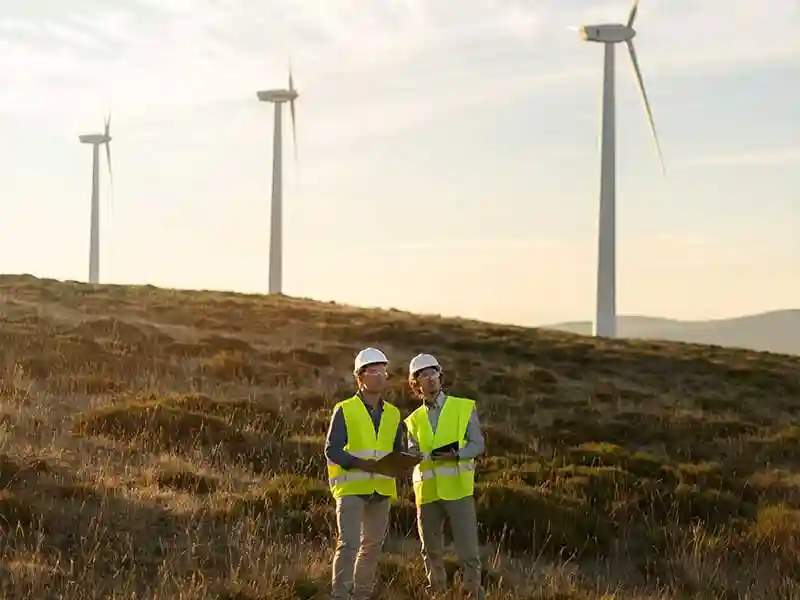
To reduce the environmental impacts of greenhouse gas emissions, and to aid sustainable development, there is a need to support low carbon technologies, especially from renewable sources. The ocean is a vast and largely untapped energy resource, which can potentially supply the global electricity demand. Therefore, an emerging eld of the marine renewable energy industry has initiated, and such expertise is increasingly on-demand. Recently, a coordinated strategy for developing inter- Disciplinary ocean renewable energy program at URI has been formed to promote research and education in this area (Ocean Renewable Energy Cluster). This course can serve as a stepping stone for graduate/undergraduate students from various disciplines, who are interested in the technical and environmental aspects of ocean renewable energy. It applies knowledge they have learned across multiple courses in an exciting new area.
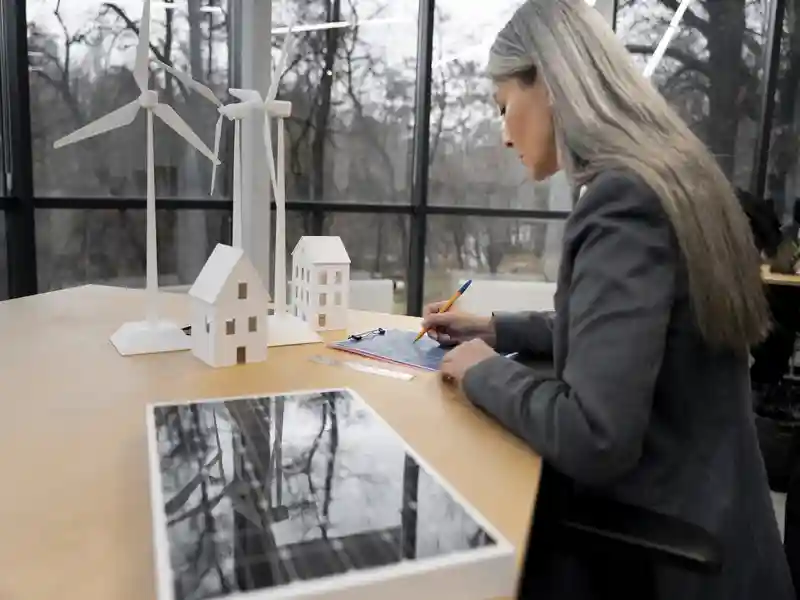
This program is oriented towards the Power & Industrial Plant Professional, it enables a Multi-Discipline Understanding of your Steam Turbines and related process units for their Efficient and Effective Management.
The course starts by reviewing current practices to establish a sound understanding of the underlying principles of power system transmission, distribution, operation, and control. Next are considered the developments that are taking place as a result of new forms of generation, load interconnection, fault level limitation, and numerous advances in system innovation. The manner in which the new technologies are implemented is related to geographical location, sites requiring additional power, government strategy, and technical motivation for change. Not all power systems will advance at the same rate, but all will take advantage of the benefits of technology to a greater or lesser extent, thus improving the overall electrical efficiency.
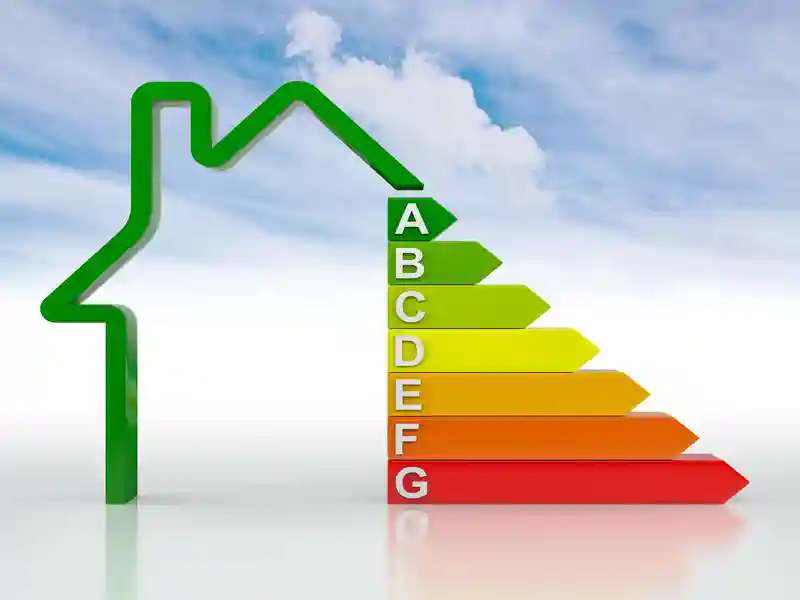
This training course on ISO 50001: Energy Management Systems provides a clear structure for identifying and then reducing energy consumption in any large business or organizati

It all starts with the fundamentals, and a solid understanding of various components, system architectures, and applications for PV systems. Other topics include site analysis, system sizing, array configuration, and performance estimation; electrical design characteristics such as wiring, overcurrent protection, and grounding; a detailed look at module and inverter specifications and characteristics; mounting methods for various roof structures and ground-mounts; and an introduction to safely and effectively commissioning grid-direct PV systems. This course focuses on grid-direct PV systems but covers material critical to understanding all types of PV systems.
