

This course includes specific checklists, procedures, strategies, and important outside resources that will improve your current shutdown planning and execution. The course also includes examples to demonstrate the major points.
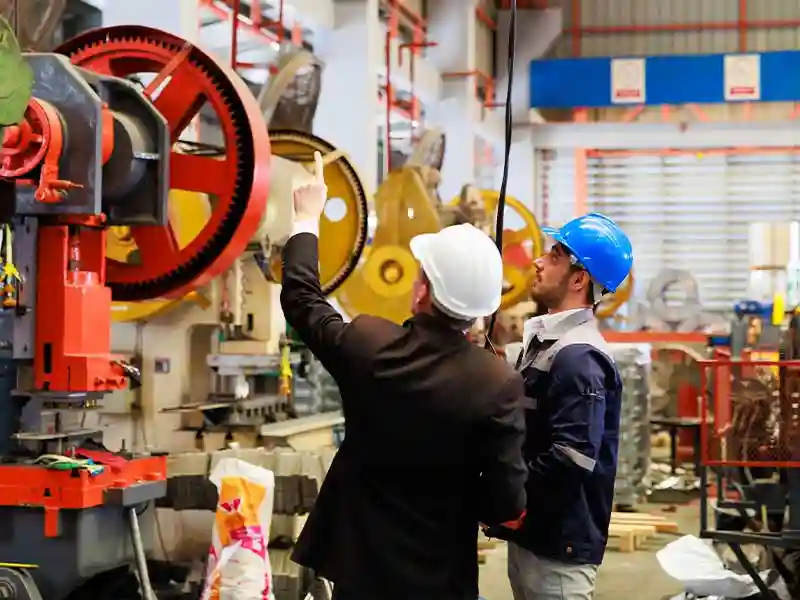
This program provides you a complete view of the Corrosion Technology and the latest developments in corrosion inspection and protection. You will get a multi-discipline understanding of the corrosion control processes - empowering you with the tools and understanding to economically protect your organization’s assets and you become a recognized corrosion expert!

Organizations increasingly need to make improvements as a key part of their culture in order to remain cost-competitive. The same is true of Maintenance Organisations. Maintenance Departments are increasingly under pressure to improve performance and reduce costs. This course looks at Maintenance Auditing and Benchmarking as two key tools that can be used as the basis for driving the improvement process in maintenance, by identifying best practices, gaps with current practices, and assist with the formulation of strategies to bridge such gaps. In addition, we address how Auditing and Benchmarking can become an integral part of a maintenance management strategy by integrating such activities into maintenance performance measures, key performance indicators, and objective setting
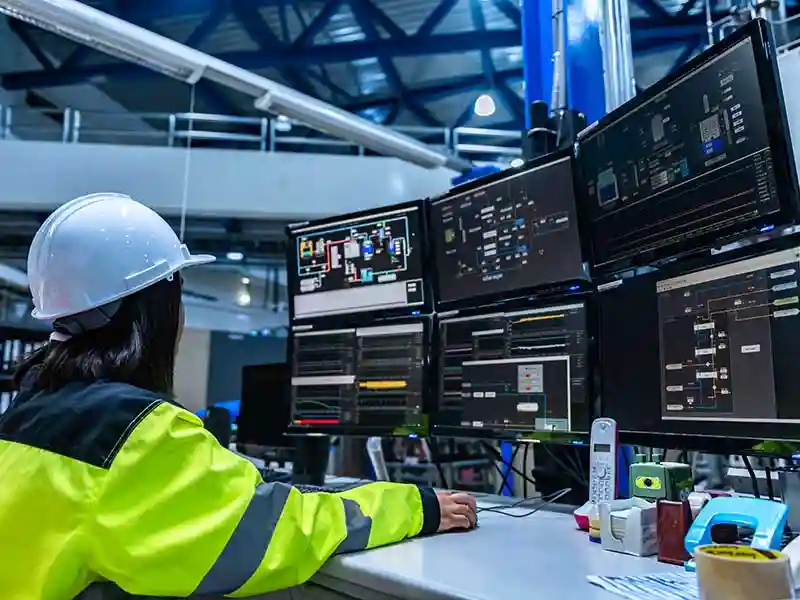
Benchmarking studies on various oil refineries around the world have shown that rotating equipment accounts for more than 20% of all maintenance and inspection costs. Also, rotating equipment is often at key nodes of the process and is frequently critical to production. Therefore failure would lead to unacceptable downtime costs.

The electrical Installations & Maintenance training begins with the fundamental principles that always apply to ensure safety. This Electrical Engineering training course then progresses through basic design procedures, inspection, testing, and maintenance requirements, concluding with a review of power quality problems that affect the reliability of an installation where high technology interfaces with a supply.
This TOGAF training covers The TOGAF® standard which is a standard of The Open Group and is used by the world’s leading organizations to improve business efficiency. The Open Group TOGAF Certification Program, with over 75,000 certifications, enables Enterprise Architects and trainers around the globe to demonstrate their proven knowledge of the framework.

Lower revenues due to lower commodity prices have placed equipment life-cycle costs under the management spotlight like never before. Maintainers are faced with the challenge to deliver the same levels of equipment safety, reliability, and availability with smaller budgets. This Maintenance Engineering training seminar on Maintenance & Reliability Best Practices introduces the practical tools and practices that organizations need to adopt to drive down their equipment life-cycle costs in practical ways. This Maintenance Engineering training seminar emphasizes the most effective strategies, policies, tactics, and practices that are needed to ensure the reliability, integrity, and durability of the physical assets through their life-cycle
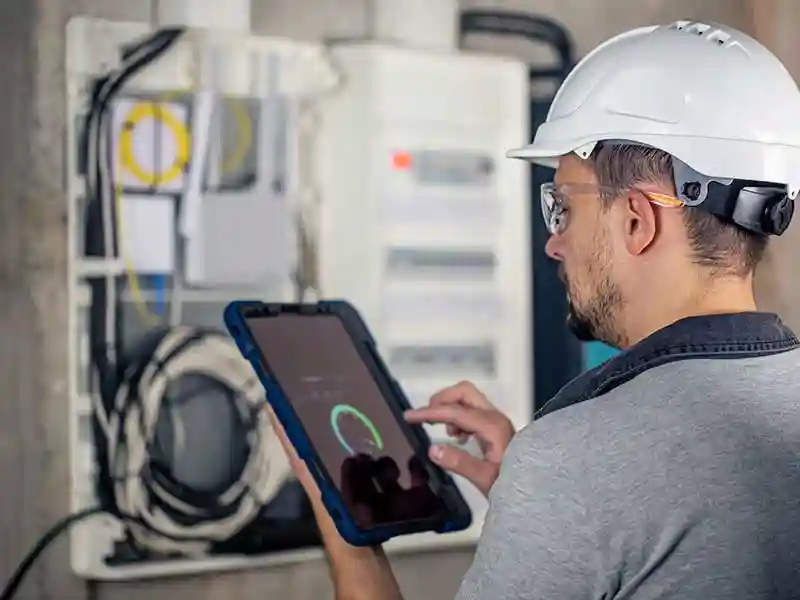
The effective management and operation of an oil and gas terminal are essential for a successful business. The processing, transporting, and storing of crude oil and refined petroleum products, in tank farms, involves custody transfers of partner and commingled stock, significant volumes of data from various sources, and blending operations complexities. In addition, as these liquids are loaded and offloaded in bulk quantities, there is a large transfer of high value that makes it imperative for tank farm operators to efficiently manage their inventory and maximize their return on investment. This training course provides an overview of the American Petroleum Institute API-650, API 620, and API 2610 specifications as well as the API 653 inspection standard. Emphasis is also given both as to safety as well as operability of tank farms and the training includes Seveso III Directive real-life example reports, how they were carried out, and implemented. Upon successful completion of this training course, participants will gain knowledge on oil terminals and tank farms, methods of tank gauging, crude oil product specifications, product blending, and tank mixing, dealing with of oil spill emergencies, cleaning of crude oil and heavy product tanks, understanding and employ a work permit system, pigging operations of oil pipelines, quality assurance and control, contingency and safety procedures.
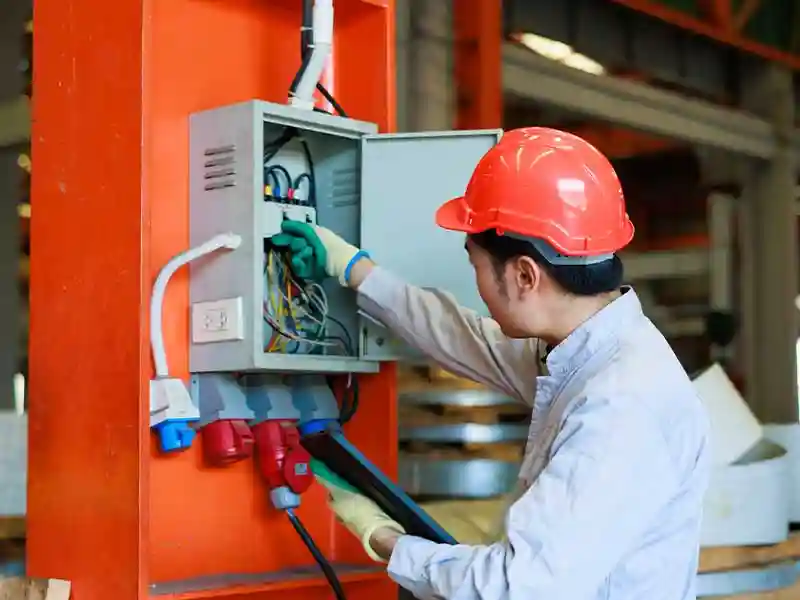
Architectural engineers, project management includes careful planning and communication of that plan to a team of engineers. It involves the identification of project goals and milestones as well as the development of multiple scenarios and contingency plans.