
Managerial accounting is an activity that provides financial and non-financial information to business managers and other internal decision-makers of an organization. This course examines how managerial accounting information is gathered, and how it is used by business professionals to make effective plans & decisions. Lessons such as fundamentals of managerial accounting cost accounting concepts, and managerial accounting approaches will provide you with the concepts, procedures, and analytical skills you'll need to make informed decisions in today's challenging business world.
Managerial accounting is not as widely used as other forms of accounting, nor is it as known. While companies concern themselves with financial accounting methods like audits, budgets, and financial statements, they often completely ignore the forward-thinking methods of managerial accounting.
At the end of this conference the participants will be able to:

Sustained public relations campaigns can help drive strategic organizational change, build public perceptions and drive reputation with key stakeholders. Well planned and executed campaigns are a cost-effective means of changing perceptions and increasing stakeholder value for an organization. This powerful program takes a problem-solving approach to the design of PR campaigns. By closely fitting the campaign to core business priorities as well as project objectives campaign design reinforces key messages and organizational strategy. Participants will develop the skills to design, plan, cost, deliver, and evaluate campaigns using the full range of PR media and channels. Case study examples in print and video will be used throughout. Action planning for the workplace to put ideas into action is a strong feature of the program.


The program has been designed to be interactive with several case studies and group exercises. A modular approach will take the delegates through the four stages of Crisis Management - Preparation, Planning, Response, and Recovery. Participative lectures will involve the use of PowerPoint, handout material, work manual with all instructor notes and slides, examples of best practice, and appropriate video/DVD material. The use of flip-charts, syndicate workshops, and reporting back sessions will encourage a fully participative and enjoyable event.

Program coverage includes CAD Problem Areas, Contractual Issues, Industrial Designs Patents Copyright, Productivity Issues, Drafting Skills Tools Software, Checking of Drawings - Standards, Specifications - Completeness- Errors.., Standardization Issues, Productivity Issues, Future Needs - Intelligent Drawings, Accuracy (Customization), Quality Assurance.

This is a comprehensive career development program intended for those seeking job-related skills in Inspection of Process Industry units for Maintenance, Operational Condition, Corrosion, Safety, Quality Assurance, and Quality Control.
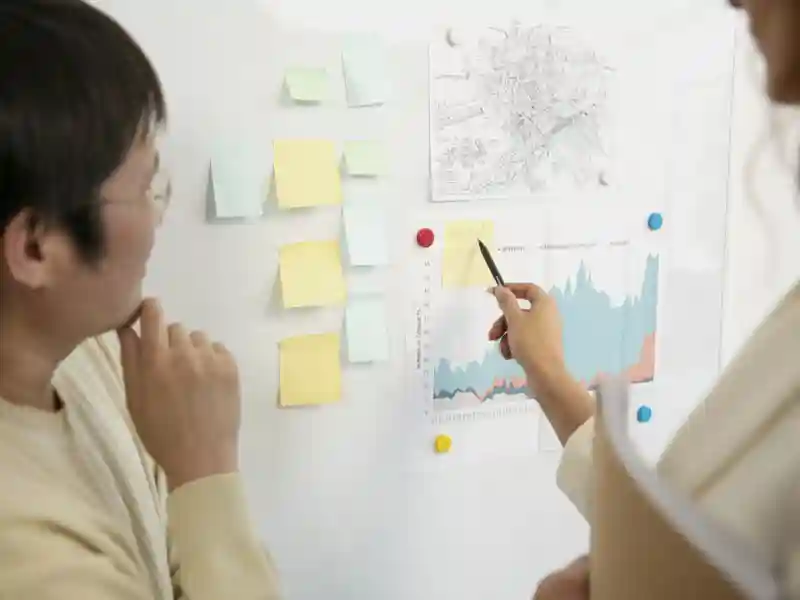
In our modern world, products are developed, launched, upgraded, and re-launched in record times. Agile Product Management is crucial in gaining a competitive advantage and prospering in the fast-moving and ever-changing times. Product managers need to develop interdisciplinary skills that allow them to work effectively and agilely with diverse groups of colleagues, from innovation to product and sales and marketing.